

GoStudy
Author
Feb 26, 2026
Published
8 mins read
Read Time
Private tutoring offers a level of flexibility, attention, and academic responsiveness that most classrooms cannot. In the UAE, it supports ambitious targets across multiple curricula, busy family schedules, relocations and transitions, confidence dips, and students who need either extra stretch or careful reengagement.
At its best, tutoring is structured, high impact support that helps learners thrive. But the closeness between tutor, student, and family can also introduce grey areas. Tutoring often happens inside the home, online one to one behind a screen, or around exam pressure and school transitions. Without school policies, reporting structures, and formal oversight, the lines that define what is appropriate, fair, and professional are not always made explicit.
At GoStudy.ae, we believe those lines should be crystal clear. We expect professionalism, discretion, and care, and we put structure in place so tutors and families can uphold that standard in every context.
Schools typically operate with established policies: safeguarding routes, professional boundaries, academic honesty rules, and clear escalation channels. Private tutoring often does not. That difference matters because tutoring is close, flexible, high trust, and frequently high pressure.
• The student, from shortcuts, unsafe dynamics, and dependency on the tutor.
• The tutor, from unclear expectations, boundary drift, and inappropriate requests.
• The family, through transparent reporting and measurable progress rather than vague reassurance.
Ethical tutoring is the difference between short term performance and sustainable improvement that lasts beyond the next assessment.
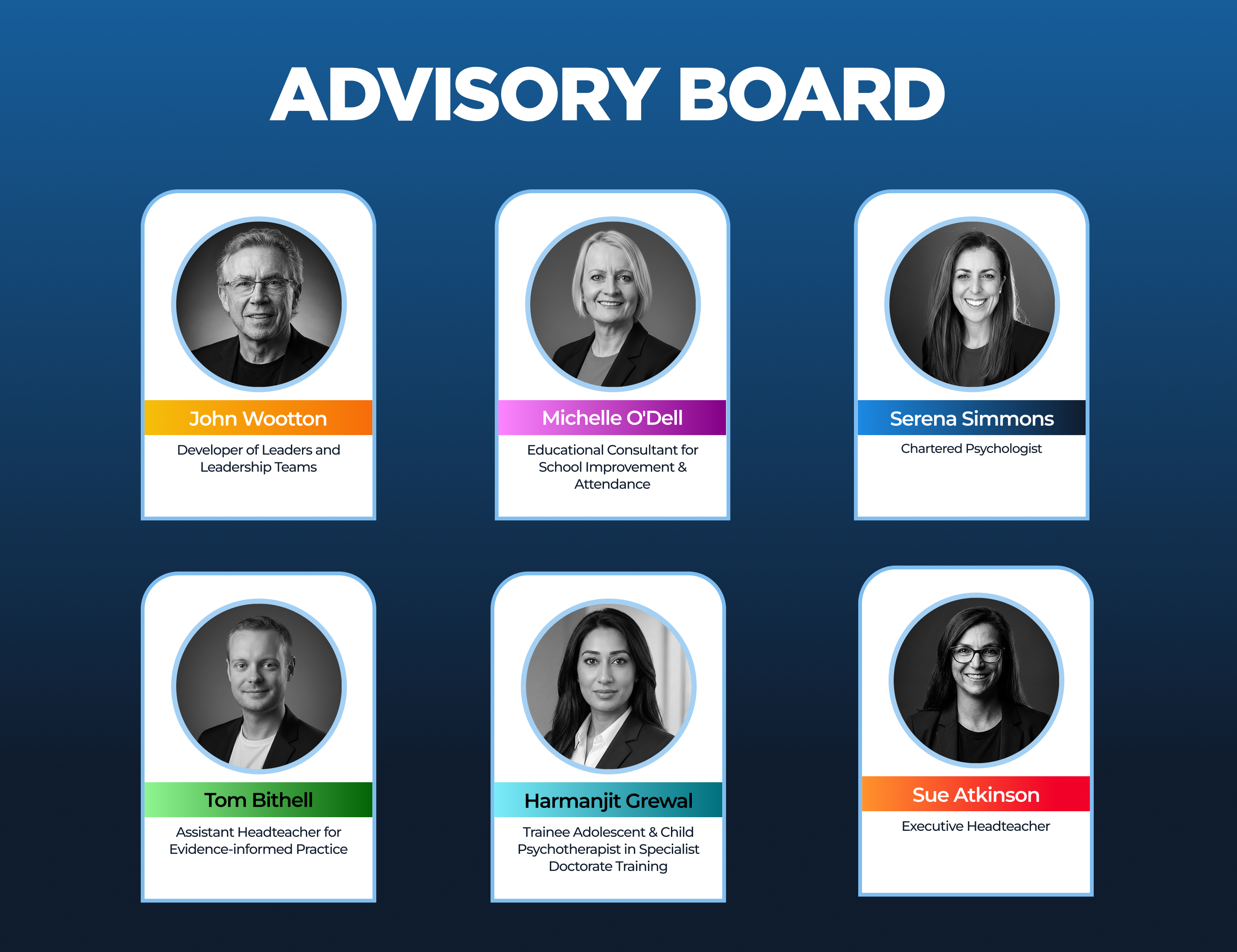
Ethics is applied judgement under pressure. GoStudy.ae’s standard is informed by an Advisory Board with expertise across school improvement, safeguarding, mental health, attendance, behaviour, leadership coaching, and applied psychology:
• Tom Bithell: Assistant Headteacher (evidence informed practice, coaching, whole school CPD, quality assurance)
• Harmanjit Grewal: Trainee Adolescent & Child Psychotherapist (Tier 3 CAMHS experience; safeguarding; anxiety, trauma, neurodiversity)
• Michelle O’Dell: Educational Consultant (school improvement and attendance; former headteacher; strategic attendance leadership)
• John Wootton: Leadership and behaviour specialist (coaching leaders and teams; behaviour management; organisational improvement)
• Sue Atkinson: Executive Headteacher (school improvement, curriculum and assessment, mental health excellence, leadership development)
• Serena Simmons: Chartered Psychologist (behaviour change, motivation, resilience, performance psychology, learning science)
Their combined expertise reinforces a simple principle: tutoring must be high impact and high integrity.
Many tutoring placements begin at moments of pressure: exam seasons, relocation, prolonged school refusal, confidence collapse, or parental worry that a child is falling behind. Expectations can shift quickly and emotions can run high.
That is when ethical boundaries matter most. In high pressure placements, integrity is rarely tested once. It is tested repeatedly, often in small, subtle ways: a ‘quick favour’ that becomes a pattern; a ‘helpful edit’ that becomes replacement; an ‘urgent request’ that crosses academic honesty lines.
In our experience, ethical questions most often arise in the areas below. Naming them clearly helps tutors and families prevent boundary drift, protect the student, and keep progress honest and sustainable.
Tutors may be directly or indirectly pressured to ‘help’ in ways that cross professional boundaries,ghostwriting coursework, producing ready to submit answers, or over editing until the work is no longer the student’s. It rarely starts as an explicit request; more often it grows out of unrealistic expectations,unclear scope, or exam pressure.
What ethical tutoring includes
• Explaining concepts clearly, step by step.
• Modelling how to plan and structure an answer (without producing the final response).
• Guided practice followed by independent application.
• Feedback that improves clarity and accuracy while protecting the student’s voice.
• Retrieval practice, worked examples, and exam technique.
What ethical tutoring must refuse
• Writing essays, coursework, projects, or portfolios on the student’s behalf.
• Supplying ready to submit answers or ‘model responses’ intended for direct submission.
• Providing live answers during tests or assessments.
• Over editing until the work becomes the tutor’s, not the student’s.
• Enabling plagiarism or academic misconduct, including irresponsible AI use.
Clear boundaries protect long term success,and protect families from fragile results built on shortcuts.
Tutors can see or hear things outside their formal academic role: family dynamics, wellbeing concerns, school conflict, learning needs, or personal pressures. Discretion is essential, but so is professional judgement about what must be raised.
• Handle student information responsibly and securely.
• Report factually and constructively, with respect for the student’s dignity.
• Share only what is necessary for learning support.
• Understand when confidentiality ends and safeguarding requires escalation.
In home tutoring can feel informal because of the setting. Online tutoring can create an ‘always available’ expectation. That is why responsibilities and communication rules must be agreed from the start.
• Defined lesson times and clear contact windows.
• Realistic turnaround times for questions.
• Clarity on what is and is not supported outside sessions.
• Transparent rescheduling and cancellation rules.
• A clear plan for how progress will be measured and shared.
When boundaries are explicit, flexibility works for everyone, without stretching the tutor’s role beyond what was agreed.
Tutors in the UAE work across different countries, cultures, belief systems, and family expectations. That diversity is a strength, but it requires thoughtful matching and respectful professionalism.
Private tutors often work one to one with children, including students who may be vulnerable, anxious, or neurodiverse. This demands sound judgement and clear professional boundaries.
Ethical tutoring supports wellbeing while staying firmly within professional scope. The tutor supports development without becoming the student’s sole emotional support.
AI tools can enhance clarity and efficiency, or quietly undermine learning and academic honesty. Responsible use depends on clarity and consent.
Progress is often constrained by consistency, not capability. Ethical tutoring therefore includes building the conditions for learning.
Tutors frequently work with anxious, avoidant, or easily frustrated learners, including students with attention and executive function challenges. Ethical behaviour support creates calm authority and supportive structure, not shame.
Private tutoring is not regulated in the same way schools are. Without the systems found in classrooms, tutors must rely on their own judgement, experience, and integrity, even in complex or high pressure placements.
That is why structure matters. At GoStudy.ae, ethical tutoring is operationalised through clear scope, consistent routines, measurable progress checks, transparent parent reporting, and clear safeguarding routes. No tutor should feel they must choose between doing what is right and meeting unspoken expectations.

1. We support learning without replacing the learner.
2. We uphold academic honesty in coursework, assignments, and assessments.
3. We set clear professional boundaries to protect students and tutors.
4. We prioritise safeguarding and wellbeing in every one to one setting.
5. We protect confidentiality and handle student information responsibly.
6. We use evidence informed teaching and measurable progress checks.
7. We promote respectful behaviour standards and a positive learning culture.
8. We build independence so results last beyond the next exam.
Before committing, families should ask for clear answers to these questions:
1. How will progress be measured week by week?
2. What is your policy on coursework and assignments?
3. How do you ensure the student remains independent?
4. How do you handle safeguarding in one to one tutoring?
5. How do you support anxious or resistant learners respectfully?
6. What routines are required between sessions?
7. How do you align tutoring with the student’s curriculum and exam board?
8. What happens if targets are unrealistic or pressure becomes harmful?
Strong tutoring providers welcome these questions. If answers are vague, that is a red flag.
Is private tutoring ethical? Yes, when it strengthens skills, protects academic honesty, and keeps safeguarding and boundaries clear.
Can a tutor help with assignments? A tutor can explain, guide, and give feedback. They should not write or produce ready to submit work.
How can parents ensure online tutoring is safe? Use professional standards, transparent scheduling, appropriate communication, and safeguarding escalation routes.
What is the difference between tutoring and cheating? Tutoring teaches the student how to do the work. Cheating is doing it for them or supplying answers during assessments.
Scenario: “Can you write the introduction so they can copy the style?”
Ethical response: Teach structure and planning, then have the student draft. Provide feedback on clarity, evidence, and accuracy without rewriting the work.
Scenario: “They have a test now , can you just tell them the answers?”
Ethical response: Refuse test time answering. Teach quick retrieval prompts and method checks, then review errors after the assessment.
Scenario: “They won’t do homework unless you message them every night.”
Ethical response: Set a sustainable routine and agree accountability with parents while building self management to avoid tutor dependency.
In the UAE’s high expectation education landscape, it is tempting to focus only on outcomes. But the strongest outcomes come from the strongest standards. Ethics in tutoring is not a constraint, it is a performance advantage. It protects learners from shortcuts, preserves trust between families and tutors, and ensures progress is genuine, measurable, and sustainable.
Guided by its Advisory Board, GoStudy.ae places integrity at the centre of academic success,so students improve for the next assessment, and beyond.