

GoStudy
Author
Feb 25, 2026
Published
7 mins read
Read Time
This is one of the most talked-about issues in education right now, and not just in schools. This is what companies in the UAE are asking when they plan programs to help their employees grow. This is what parents ask when they have to choose between an online teacher and a learning centre. It's what college students ask themselves when they can't decide whether to go to a live class or watch a film later.
Is digital skill learning more effective than classroom training? What about the old-fashioned classroom? Does it still have the edge?
The truth is that it depends. That's not an easy way out, though; it's the best place to start, since the real question isn't which style wins in the end. It's about what kind of learning, student, and skill works best with which style. It's much easier to make a choice once you know that.
Based on studies and what UAE students are actually experiencing, this piece breaks down the comparison in an honest and useful way. You will have a clear idea of how to choose the best method for you or your child by the end.
Ten years ago, people in the UAE job market would have laughed at the idea of getting a professional education entirely online. It doesn't even get a second thought these days. Digital skill learning through e-learning platforms, virtual classes, video-based lessons, engaging exercises, and learning management systems is now a common and well-respected way to get new information and skills.
The UAE has been a leader in this change. A lot more money has been put into EdTech by schools, colleges, and business training programs. This growth was sped up even more during the pandemic years, when online learning went from being a choice to a necessity almost overnight.
But as digital learning has grown, so has our ability to honestly judge it. We now have enough information, knowledge, and a wider view to ask the tougher question: When does it work better than standard classroom training, and when does it not?
Let us start with the area where digital learning has an undeniable and significant advantage.
There is a set plan for classroom training. You go to a certain time and place, and if you miss a lesson for any reason, you miss what was said. Working adults in the UAE who have to balance full-time jobs and family duties find this rigidity really hard to learn. It's a constant source of stress for students who have to miss school because of health problems, sports commitments, or family issues.
Most of these problems are taken care of by digital skill learning. In Abu Dhabi, a worker can finish a lesson on data analysis after the kids go to bed at 10 p.m. Sharjah students can watch a video lesson three times until they finally understand a science topic. Parents who moved to a different province in the middle of the school year can keep their child in the same class without having to wait for a new placement.
Now we'll talk about an area where standard classroom learning still has a real and important advantage: developing skills in a real-world setting.
There are some skills that you just can't fully learn from a computer. A medical student needs to do a lot of practice physical exams. Chefs have to cook. An engineer has to work with things like tools and sand. A future teacher needs to be in front of a real class of kids and handle real classroom dynamics.
To a smaller extent, the same rule applies to topics that require real-time teamwork and the nature of relationships between people. Negotiation, public speaking, leading, and resolving conflicts are all skills that are greatly improved by practising them with real people in real situations. Body language, tone of voice, and the unpredictable nature of human contact are all part of the learning process.
This gap has been filled in a big way by digital models and virtual reality tools. Some medical schools now use virtual reality (VR) to teach students how to do surgery. Business training programs use AI-driven role-playing to help people get better at having tough talks. These tools are great, and they're getting better quickly. But there is still no perfect way for most students to learn actual skills other than doing them with real people.
A common belief is that learning in a classroom is more interesting because there is a real teacher, real friends, and a planned social setting. That is also very true for many students. It's really great to have a teacher who can read the room, clear up any confusion right away, and give everyone a sense of shared energy.
Adaptive material, gaming, real-time tests, peer discussion boards, and interactive video are just a few of the ways that modern e-learning tools make learning more fun than a typical classroom lesson. Research on how long people remember things always finds that active, involved learning works better than idle information delivery, no matter if it's in person or online.
Families, students, and businesses that are thinking about how much it costs to learn should look at digital skill development.
There are a lot of costs that come with traditional classroom training, like renting a space or the school’s equipment, printing materials, transportation, and often the extra cost of having an expert teach you in person. These prices add up quickly in the UAE, where individual lessons and skilled training can be pricey.
Most of these costs are cut or eliminated with digital learning. You can get high-quality online classes and e-learning tools for a lot less money than the same training in person. The low cost of digital delivery at scale makes it especially appealing for companies that train a lot of people. A lesson that is made just once can be taught to thousands of people at no extra cost per person.
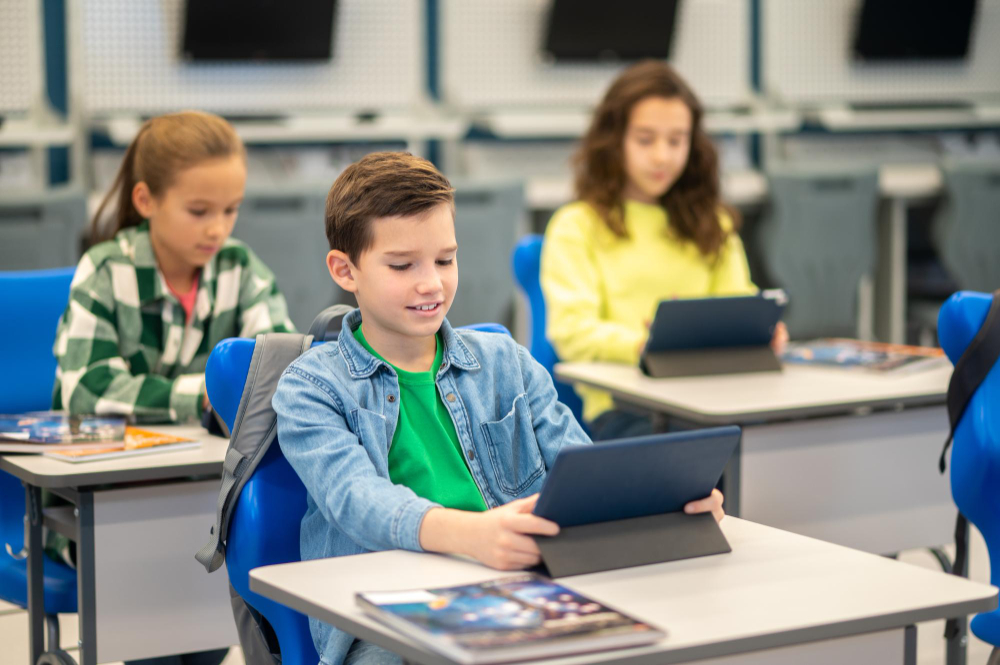
After a fair evaluation of the evidence, we have come to the following conclusion: learning skills online is not always more effective than learning them in a classroom, and learning skills in a classroom is not always better than learning skills online. What works best relies on three things: the skill being learned, the goals and learning style of the individual student, and the quality of the learning experience itself.
Schools and training centres in the UAE that use mixed models regularly report better learning results, higher completion rates, and more positive comments from users than programs that are only online or in person. Smart education and training providers all over the area are going in this way, and for good reason.
Well-designed online learning is just as good as standard classroom teaching for many types of learning, especially when it comes to knowledge-based and mental skills. In-person training is still better for skills that need to be used in the real world or that need to be learned through social contact.
Subject knowledge, code, language learning, data skills, business models, math, studying for tests, and most theory-based material work really well on digital platforms. They work worse for physical skills, professional training, or cases where interacting with people in real time is an important part of learning the skill.
Digital learning can work for people of all ages, but the way it is used needs to be right for that age group. For the most part, younger kids need shorter lessons, more involved material, and more close control by a parent or teacher. Adults and older students are usually better at learning on their own online.
People's ideas have changed a lot. Most companies in the UAE now recognise and accept credentials gained through recognised online programs, especially those from well-known schools. More important than the method of delivery is the reputation of the organisation giving the award.
Look for platforms that have organised, curriculum-aligned material; a variety of engaging and hands-on ways to learn; easy-to-understand ways to track progress; real feedback systems; and reliable approval or recognition. Quality can also be judged by user reviews, finish rates, and student results statistics. Before suggesting tools to students in the UAE, we at GoStudy.ae check them against these standards.
Yes, especially when it's used to help teach in the classroom. Students can review what they've learned at their own pace and focus on the areas where they need more help with online practice tools, customizable quizzes, and on-demand resources.
One useful strategy is to use classroom time to introduce new ideas, have discussions about them, do group activities, and put them into practice. Then, use digital tools for reviewing. practising, and going deeper on issues that the student wants to learn more about at their own pace.
The real question that should be asked is not whether digital skill learning or classroom training is better, but what mix of methods will help this student reach their goal the most efficiently.
It's hard to beat a mix of classroom learning and internet study tools for UAE students who are getting ready for tests. A good online course often works better for workers who want to improve their skills without having to take time away from their workweek than a classroom program they can only partially attend. In-person training is still very important for people who want to improve their physical or social skills.
Explore UAE-aligned study resources and learning tools at Gostudy.ae helping you learn smarter, whatever path you choose.